

For centuries, illuminati symbols have captivated public imagination, appearing everywhere from currency to corporate logos. These enigmatic emblems—ranging from the all-seeing eye to mysterious pyramids—have sparked countless theories about hidden meanings and secret influences. Whether you’re researching historical symbolism or simply curious about what these mysterious icons represent, understanding the authentic origins and interpretations of these symbols reveals a fascinating intersection of history, philosophy, and cultural mythology.
What Are Illuminati Symbols?
The term “illuminati” originally referred to the Bavarian Illuminati, a secret society founded in 1776 by Adam Weishaupt in Ingolstadt, Germany. The group promoted Enlightenment ideals including reason, secularism, and opposition to religious influence over public life. While this original organization disbanded in the late 1780s, the symbols associated with it—and those later attributed to illuminati conspiracy theories—have endured in popular culture.
Popular illuminati symbols typically represent concepts like enlightenment, knowledge, surveillance, and power hierarchies. Many of these emblems predate the historical Illuminati by centuries, drawing from ancient Egyptian, Greek, and Christian iconography.
The Eye of Providence: Most Recognized Symbol

The Eye of Providence, often called the “all-seeing eye,” stands as the most widely recognized symbol associated with illuminati mythology. This icon depicts an eye surrounded by rays of light, typically enclosed within a triangle.
Contrary to popular belief, this symbol’s origins trace back to Christian iconography from the 17th century, where it represented God’s omniscience—His ability to see all human actions. Renaissance artists incorporated this motif to symbolize divine watchfulness and spiritual awakening.
Modern Interpretations
Today, what does illuminati symbols represent when we see the Eye of Providence? The interpretations vary:
- Historical perspective: Divine omniscience and spiritual enlightenment
- Conspiracy context: Secret surveillance and control by hidden elites
- Cultural usage: Appears on the U.S. one-dollar bill above an unfinished pyramid
- Philosophical meaning: The pursuit of knowledge and truth
The symbol’s appearance on American currency since 1935 has fueled speculation, though official records indicate it was chosen to represent divine favor over the nation’s founding.
The Pyramid: Hierarchical Power Structure
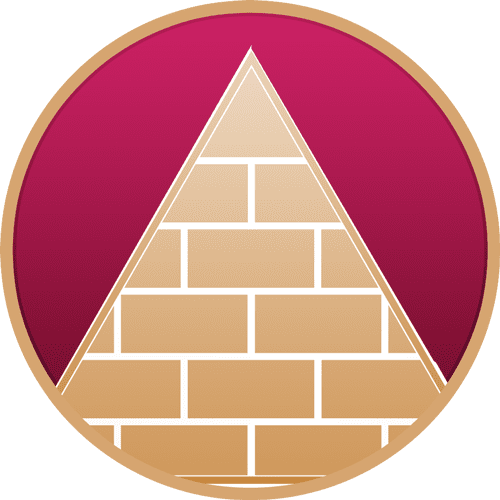
The pyramid represents one of the most potent symbols in illuminati iconography. This ancient geometric form carries multiple layers of meaning:
Historical associations:
- Ancient Egyptian monuments representing pharaonic power
- Architectural symbols of permanence and stability
- Hierarchical social structures with power concentrated at the apex
Modern interpretations: When examining the unfinished pyramid on the dollar bill, the symbolism becomes multilayered. The 13 steps represent the original American colonies, while the incomplete capstone suggests ongoing growth and potential.
The Capstone Concept
The separated capstone featuring the Eye of Providence symbolizes enlightened leadership guiding the foundation below. This architectural detail has become central to theories about elite control, though its official meaning references the nation’s unfinished destiny and reliance on divine providence.
The Light: Illumination and Knowledge
The very name “Illuminati” derives from Latin, meaning “the enlightened ones.” Light symbolism permeates the entire iconographic tradition:

Key representations:
- Intellectual enlightenment: Breaking free from ignorance
- Spiritual awakening: Transcending material limitations
- Secret knowledge: Hidden truths revealed only to initiates
- Revolutionary thinking: Challenging established dogma
The Bavarian Illuminati explicitly embraced Enlightenment philosophy, promoting scientific reasoning over superstition. Their use of light symbolism directly connected to this mission of spreading rational thought.
The Owl of Minerva: Wisdom Symbol
This lesser-known but significant emblem represents wisdom, knowledge, and nocturnal vision—the ability to “see” truth in darkness. The owl references Minerva, the Roman goddess of wisdom, and appears in various forms:
- Historical records suggest the Bavarian Illuminati used owl symbolism in their internal communications
- The creature’s night vision represents seeing hidden truths others miss
- Modern conspiracy theories connect it to secretive gatherings at exclusive venues
The owl’s symbolism emphasizes discernment, careful observation, and the patient accumulation of knowledge—qualities the historical Illuminati valued highly.
666 and Triple Six: Numerical Mysticism
Biblical Connections
The number 666, known as the “Number of the Beast” from the Book of Revelation, has become intertwined with illuminati symbolism despite having no historical connection to the actual Bavarian organization.
Why this association exists:
- General conspiracy theories linking secret societies to anti-religious agendas
- Numerological interpretations in popular culture
- The number’s shock value in entertainment and media
Triple Numbers Pattern
Beyond 666, patterns of triple numbers (111, 333, 777) appear in various conspiracy frameworks, though these have no documented connection to the historical Illuminati’s actual practices or beliefs.
Illuminati Symbols Explained: Additional Emblems
The Pentagram
This five-pointed star carries ancient symbolism representing:
- The five elements (earth, water, fire, air, spirit)
- Human form with arms and legs extended
- Protection against evil in various mystical traditions
While often associated with occult practices, the pentagram predates modern secret society mythology by millennia and appears across diverse religious and philosophical traditions.
Fire and Eternal Flame
Fire represents transformation, purification, and the transmission of knowledge. The eternal flame symbolizes:
- Continuous enlightenment passed through generations
- The revolutionary spark of new ideas
- Destruction of old orders to create new ones
- Passion for truth and justice
The torch appears frequently in illuminati-related imagery, symbolizing how enlightened individuals carry knowledge forward.
The Eternal Cycle

Circular symbols, including the ouroboros (serpent eating its tail), represent:
- Cyclical nature of time: History repeating and evolving
- Continuous renewal: Death and rebirth of ideas
- Unity of opposites: Beginning and ending as one
- Infinite wisdom: Knowledge without beginning or end
Distinguishing Fact from Fiction
What Historical Evidence Reveals
Academic research on the actual Bavarian Illuminati shows:
- The organization existed for only about a decade (1776-1785)
- Membership peaked at approximately 2,000 members
- Goals centered on Enlightenment philosophy, not world domination
- The group was suppressed by Bavarian authorities who feared its anti-clerical stance
- No credible evidence supports its continued existence after the 1780s
Modern Symbol Usage
Today’s widespread appearance of these symbols in popular culture stems from:
Commercial adoption: Brands use mysterious symbolism for marketing intrigue Entertainment industry: Films and music videos incorporate illuminati aesthetics for dramatic effect Architectural traditions: Classical symbols in government buildings reflect 18th-century design trends Internet culture: Memes and conspiracy content proliferate online
Critical Thinking About Symbol Interpretation
When encountering symbols of the illuminati in modern contexts, consider these analytical approaches:
Historical context matters: Research when and why symbols were originally created Multiple meanings exist: Ancient symbols carry layers of interpretation across cultures Confirmation bias: People often see patterns that confirm preexisting beliefs Commercial motivations: Controversy generates attention and engagement
Expert Perspective on Symbolic Interpretation
Dr. Mark Fenster, author of “Conspiracy Theories: Secrecy and Power in American Culture,” notes that illuminati symbolism serves as a cultural repository for anxieties about power, secrecy, and control. The symbols function as a shorthand for discussing legitimate concerns about institutional transparency while often obscuring more mundane explanations for their prevalence.
The enduring fascination with these emblems reflects genuine human curiosity about hidden knowledge and the structures of power, even when specific conspiracy claims lack evidential support.
Understanding illuminati symbols requires separating historical fact from modern mythology. While the Eye of Providence, pyramids, and other emblems carry fascinating historical meanings rooted in Enlightenment philosophy and ancient traditions, their contemporary associations often reflect cultural anxieties rather than secret organizational practices.
These symbols remind us that imagery carries power—the power to inspire, to question, and to connect ideas across time. Whether you view them as historical artifacts, philosophical emblems, or cultural curiosities, popular illuminati symbols continue sparking important conversations about knowledge, power, and the human desire to decode hidden meanings in the world around us.
Frequently Asked Questions:
Q: What is the most common illuminati symbol? A: The Eye of Providence, also called the all-seeing eye, is the most recognized symbol associated with the illuminati. It features an eye within a triangle surrounded by rays of light, originally representing divine omniscience in Christian iconography.
Q: Did the historical Illuminati actually use these symbols? A: The Bavarian Illuminati (1776-1785) used some symbols like the owl of Minerva, but many symbols now associated with them—including the Eye of Providence on the dollar bill—were adopted or attributed to them after the organization’s dissolution.
Q: Why does the dollar bill have illuminati symbols? A: The Great Seal of the United States, featuring the pyramid and Eye of Providence, was designed in 1782 before appearing on currency in 1935. Official records indicate these symbols represent divine favor, national strength, and the country’s unfinished potential—not secret society influence.
Q: What do modern appearances of illuminati symbols mean? A: Contemporary use of these symbols typically stems from commercial branding, artistic expression, or entertainment value rather than actual secret society membership. Many brands use mysterious symbolism to create intrigue and cultural relevance.
Q: Are illuminati symbols dangerous or harmful? A: The symbols themselves are neutral historical and cultural icons. Their meanings depend entirely on context and interpretation. Academic consensus holds that modern illuminati conspiracy theories lack credible evidence, and these symbols pose no inherent danger.